
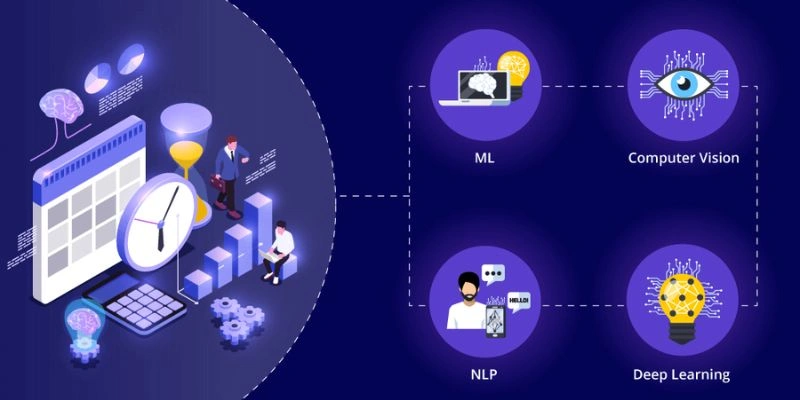
Artificial Intelligence (AI) is making significant strides in the manufacturing sector, transforming traditional processes and driving efficiencies. As the field of AI evolves, gaining knowledge on Artificial Intelligence can provide valuable insights into these advancements. This blog explores how AI is reshaping manufacturing, focusing on improving operational efficiency and reducing waste.
The Rise of AI in Manufacturing
Manufacturing has always been integral to industrial development, but the integration of AI is setting new benchmarks. By enrolling in an Artificial Intelligence Course in Bangalore, professionals can understand how AI’s data analysis and automation capabilities are revolutionizing manufacturing. AI enables manufacturers to address challenges like inefficiency and waste through innovative solutions.
Enhancing Operational Efficiency
One of AI’s most significant impacts on manufacturing is its ability to enhance operational efficiency.
- Predictive Maintenance: Traditionally, maintenance strategies were either scheduled or reactive. AI introduces predictive maintenance, where algorithms analyze machine data to foresee potential failures. This proactive approach minimizes downtime and extends equipment lifespan by addressing issues before they escalate.
- Smart Manufacturing Systems: AI systems can dynamically adjust production schedules based on real-time data. For instance, if there’s a slowdown in a machine or a bottleneck in the production line, AI can manage resources and workflows to maintain production rates. This flexibility ensures that manufacturers can swiftly adapt to changes and maintain efficiency.
- Quality Control: AI enhances quality control with advanced computer vision systems that detect defects more accurately than manual inspections. These systems identify anomalies such as surface imperfections or misalignments, ensuring that only products meeting high standards are produced. This reduces the number of defective items and minimizes rework.
Reducing Waste and Promoting Sustainability
Sustainability is a growing focus in manufacturing, and AI plays a crucial role in reducing waste. Learning from an Artificial Intelligence Course in Marathahalli can help understand how AI contributes to more sustainable practices.
- Optimizing Resource Usage: AI algorithms analyze production data to ensure that raw materials are used efficiently. By predicting the precise amount of material needed, AI reduces excess and waste. This precision is particularly beneficial in processes like cutting or ingredient mixing, where minimizing material use is crucial.
- Energy Efficiency: AI manages energy consumption in manufacturing facilities by monitoring and optimizing systems like lighting and HVAC based on real-time data. This approach reduces energy waste and lowers operational costs, contributing to overall sustainability.
- Recycling and Circular Economy: AI enhances recycling efforts by sorting and identifying recyclable materials more effectively. Machine learning models can classify materials and direct them to appropriate recycling streams, supporting a circular economy where materials are reused rather than discarded.
Case Studies: AI in Action
Several companies are demonstrating the benefits of AI in manufacturing.
– General Electric (GE): GE uses AI for predictive maintenance across its industrial equipment. Analyzing sensor data helps predict maintenance needs, reducing downtime and costs.
– Siemens: Siemens implements AI-driven systems to optimize production processes. Real-time data analysis identifies inefficiencies and suggests improvements, increasing productivity and reducing waste.
– Tesla: Tesla employs AI in its Gigafactories for quality control and production efficiency. AI-powered robots and computer vision systems ensure high standards and scalable production
Challenges and Considerations
Integrating AI into manufacturing does present challenges. These include data security concerns, the need for skilled personnel, and the initial investment in technology.
The Future of AI in Manufacturing
The future of AI in manufacturing looks promising, with ongoing advancements expected to drive further improvements.
AI is transforming the manufacturing industry by improving operational efficiency and reducing waste. Understanding AI’s role through an Training Institute in Bangalore can offer valuable insights into these advancements. As technology continues to evolve, AI’s impact on manufacturing will likely expand, leading to even greater efficiencies and more sustainable practices.
Also Check: Artificial Intelligence Interview Questions and Answers